
Share this post
Growing crops in a hydroponic system is one of the ways you can reduce the risk of many soil-borne diseases, as plants are grown in a water solution. However, this doesn’t mean that you are completely safe from other types of problems, like green water or fungus outbreaks. Diseases in hydroponics can be extremely frustrating, especially for new growers who are just starting out.
It’s important to learn what causes diseases in a hydroponic system and recognize the symptoms so you can tackle the issue before it destroys your yield. To assist you, we’ve provided valuable information on what the common hydroponic diseases are, what causes them, and some tips and tricks to prevent them from occurring.
What Causes Hydroponic Diseases?
In this section, we’ve provided some of the most common causes of hydroponic diseases. These problems can happen in horizontal or vertical farming setups. Disease prevention will be easier if you know what the causes are, so you can work on preventative measures instead of responsive maintenance.
Not Checking Water Quality
Water quality in hydroponics is extremely important as it can affect the fullness and development of your crops. One of the biggest mistakes growers make is not checking the water pH levels regularly. When the pH levels are too high or too low, it can prevent crops from absorbing nutrients. The quality of the water can also be affected by environmental factors such as high temperatures.
Lack of Oxygen
Although you’re growing crops in a water solution, the roots of these plants still need oxygen to survive. If your crops aren’t getting enough oxygen within the root zone, they won’t be able to perform root respiration. Your roots will suffocate, and your crops will die off. Lack of oxygen can be caused by high temperatures, green water, and decaying organic matter.
Lack of Hygiene in Hydroponic Systems
If you don’t clean your hydroponic system regularly, you could experience a buildup of biofilm in your irrigation system. Biofilms can stick to the inside of pipes and tanks in irrigation systems, and bacterial species such as E. coli can be found in these layers. You’re more susceptible to plant disease like Xylella fastidiosa if you don’t use the right methods and products to clean out your hydroponic setup.
Improper Pest Management
There are many types of pests that can infest your hydroponic crops, such as spider mites, fungus gnats, white flies, and thrips. Each one of these pests causes a different type of problem. For example, fungus gnat larvae feed off roots, which can weaken plants and cause bacterial infections.
Pests like spider mites suck the chlorophyll from plants, which damages their tissue. These types of pests can spread rapidly, so it’s important to check your crops regularly and use the right products to prevent infestations.
10 Common Hydroponic Disease Symptoms
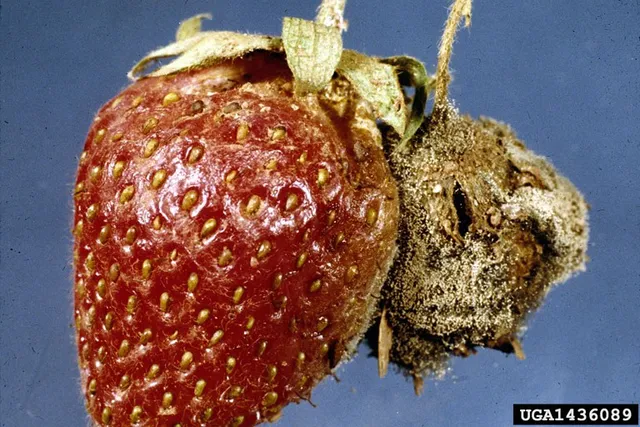
In a hydroponic setup, plants rely entirely on water and nutrients supplied externally. When disease strikes, those water-based roots and delicate systems can suffer quickly. Here are 10 hydroponic disease symptoms to look out for.
- Brown, mushy or slimy roots: Instead of the healthy white, firm roots, diseased roots turn brown or black, soften, and become slimy.
- Foul or rotten smell from root zone or reservoir: A noticeable odor coming from the water or root zone can indicate root rot infections.
- Wilting of leaves: When a plant cannot take up water properly through damaged roots, you may see wilting or new leaves dying off.
- Yellowing of older or lower leaves (chlorosis): When roots fail to deliver nutrients properly, the lower or older leaves yellow first. It can be a sign of poor nutrient uptake, though it’s easily mistaken for a nutrient deficiency.
- Stunted plant growth: Diseased plants grow slowly, stay smaller, or fail to reach the expected size despite correct environmental conditions.
- White or gray powdery coating on leaves, stems, or flowers: This symptom points to fungal diseases such as powdery mildew.
- Dark spots or lesions: Bacterial leaf spot or other leaf-attacking diseases can begin with dark spots before larger tissue damage sets in.
- Vascular or stem discoloration: Some pathogens attack the vascular system, which can lead to internal browning and uneven wilting or collapse.
- Leaf drop or premature falling of leaves: As certain diseases progress, leaves may die off or fall even if the rest of the plant looks healthy.
- Sudden collapse of seedlings (before or right after emergence): In a phenomenon known as Damping‑off, seedlings may fail to emerge at all or may sprout and then wilt and collapse suddenly.
What Are The Most Common Diseases in Hydroponics?
There are a variety of diseases in hydroponic systems that you may experience, and they’re all caused by different scenarios like stagnant water, pest infestations, or biofilm buildup. Once you know the common problems in hydroponics, you can use proper disease prevention and control methods to protect your crops.
Root Rot
The most common hydroponic plant diseases come from rotting roots. This is caused by the Pythium fungus and can affect crops like spinach, basil, lettuce, and arugula. Root rot happens when your crops aren’t getting enough oxygen, and the temperature in the water is too high, which encourages fungal growth.
Algae Growth
Algae is a thick green sludge known as eukaryotic, which is different from bacteria, but they can provide a breeding ground for pathogens. When algae grows in your hydroponic system, it can compete with your crops for nutrients and clog your irrigation lines. As a result, water flow in your lines will be reduced. Algae creates a foul smell in your reservoir and increases the risk of diseases and pests.
Downy Mildew
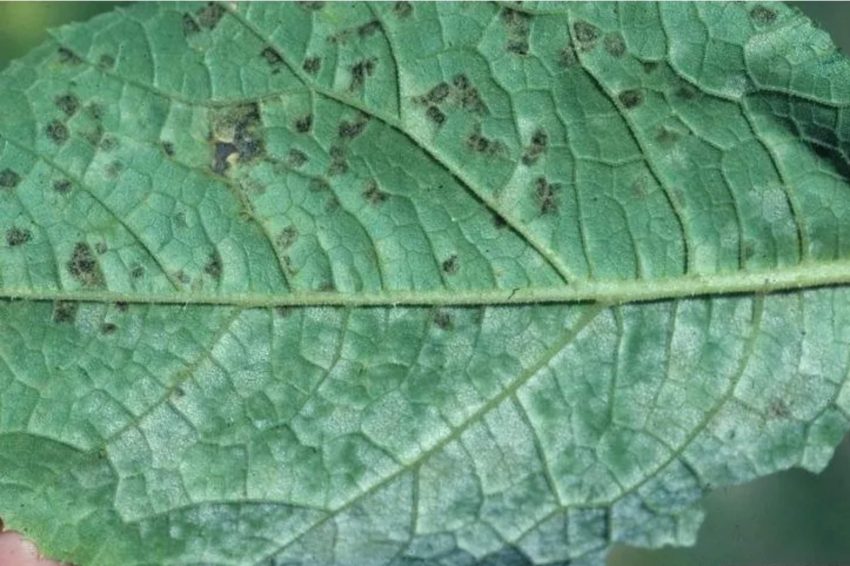
Another common disease you may experience is yellow or brown spots on the upper side of leaves, which is referred to as downy mildew. The underside of leaves develops a gray fuzzy coating, and over time, the leaves may wilt and fall off prematurely. Downy mildew is found on crops like basil and arugula and will thrive in cool, damp conditions.
Powdery Mildew
Unlike downy mildew, powdery mildew thrives in warmth and high humidity, so indoor hydroponics are more susceptible to this disease. It’s a fungal disease that spreads rapidly and covers crops in a white powdery film. Powder mildew can weaken your crop’s ability to photosynthesize.
Gray Mold
Gray mold causes plant death by infecting the stems, leaves, and fruit of crops. It grows on the stems and leaves of crops in big gray patches. It also spreads in humid conditions and when crops are planted too close together. Lack of ventilation will allow the mold spores to settle and multiply.
Tips on How to Prevent Hydroponic Diseases
Although you may experience common hydroponic problems like pests and diseases, there are ways you can protect your crops. Identify the symptoms of the disease and then take actionable measures to prevent further damage. Here are tips to help you prevent the spread of diseases in your hydroponics:
- Keep optimal hydroponic temperatures of 68ºF and 77ºF
- Humidity levels in your hydroponic setup should be at 60-70%
- Ensure there is excellent airflow
- Use a pH and EC meter to regularly check water and nutrient solution strength
- Check irrigation regularly for blockages
- Sanitize equipment regularly
- Remove dead plant matter
- Space crops out so they’re not overcrowded to reduce the spread of fungal diseases
- Use products like Clear Flow to clean out irrigation lines and reservoirs
- For problems with greenwater and plant debris, use Clear Zona
Final Thoughts – Hydroponic Disease Prevention with the Right Products
The most effective way to help prevent hydroponic diseases is to keep your systems clean. Using Clear Zona or Clear Flow can help manage the hygiene of your hydroponics.
Clear Flow supports disease management by helping you keep your hydroponic system clear of buildup that slows water movement. Its eco-friendly enzymes can remove biofilm from reservoir tanks, irrigation lines and drippers. Once blockages are removed, growers add 5mL per gallon of reservoir water and then match that rate with any top-off water, which helps stop layers from returning and keeps systems stable.
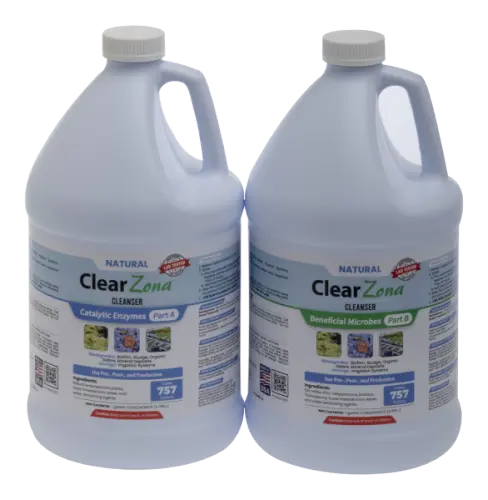
Make Clear Zona part of your disease management as it targets sludge, green water, and debris through a two-part blend of catalytic enzymes and beneficial microbes. This product restores flow without harsh chemicals. Part A breaks biofilm into digestible pieces, and Part B consumes what remains, which supports stronger roots and healthier nutrient movement.
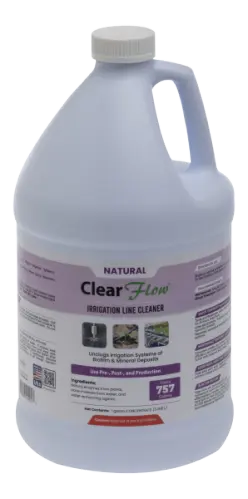
Using Clear Zona or Clear Flow helps keep your hydroponic system clean across all production stages. When you keep your hydroponic system clean, it can prevent diseases like root rot, green water, and problems associated with biofilm buildup.
Featured image credit: https://extension.psu.edu/downy-mildew