
Share this post
Are you looking for a way to start food production but don’t have the space? A vertical farm is the solution you’re looking for. Vertical farming has become a popular and more sustainable way to grow healthy crops in urban areas where there is limited growing space. But how exactly do you start this type of farming system?
If you want to start growing vegetables, herbs, or medicinal plants, then follow our vertical farming guide below. You’ll learn what this type of farming system is, how it works, the average cost, and how to set up your vertical farm with the right tools and products. We also have some tips on how to maintain your farm for a year-round successful yield.
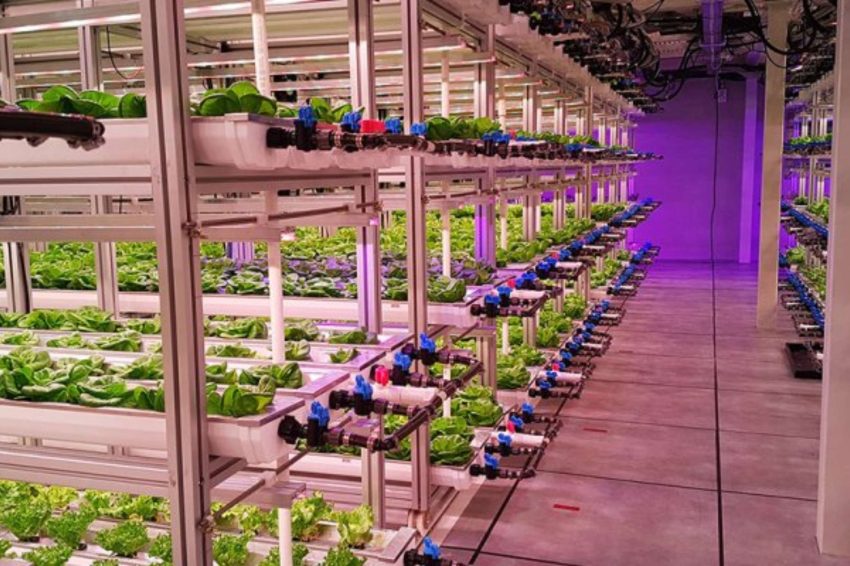
(Featured image credit: https://www.wur.nl/en/research-results/dossiers/file/vertical-farming.htm)
What is Vertical Farming?
Vertical farming is the practice of growing crops in stacked layers. Unlike traditional farm structures, growers arrange their crops vertically instead of horizontally in a controlled indoor environment. Furthermore, growing crops vertically uses a variety of spaces, such as repurposed warehouses or large greenhouses with taller ceilings.
The purpose of vertical agriculture is to grow more crops with a limited amount of space. A piece published on the World Economic Forum mentioned a grower was able to yield 350 times more per acre than traditional farming. In the same article, it’s stressed that farmers need to produce 70% more food by 2050, as there will only be 10% farmable soil left.
Different Types of Vertical Farms
One of the best aspects of vertical agriculture is that there are different types you can choose from when growing crops, like leafy greens or herbs. Here are three types of farming solutions you can start with vertical agriculture:
- Hydroponics: The easiest and most affordable way to grow vertical crops is using a hydroponic system. This process involves growing crops in containers with a nutrient-rich solution instead of soil. It reduces water usage by up to 90% and it’s easier to maintain.
- Aeroponics: Much like hydroponics, growing crops in an aeroponic environment also requires no soil. Crops are suspended in the air and are sprayed with a nutrient solution.
- Aquaponics: This is a more complex growing system, as it uses aquaculture (which is raising fish) with a hydroponic system. It produces two food sources: fish and crops. Fish produce waste called ammonia, which plants feed on. After feeding on the fish waste, the crops then clean the water that the fish live in.
It’s important to choose the right type of vertical farming setup, as various types can cost more than others or can become difficult to maintain. The easiest system would be a hydroponic farm in a controlled environment.
How Does a Vertical Farm Work?
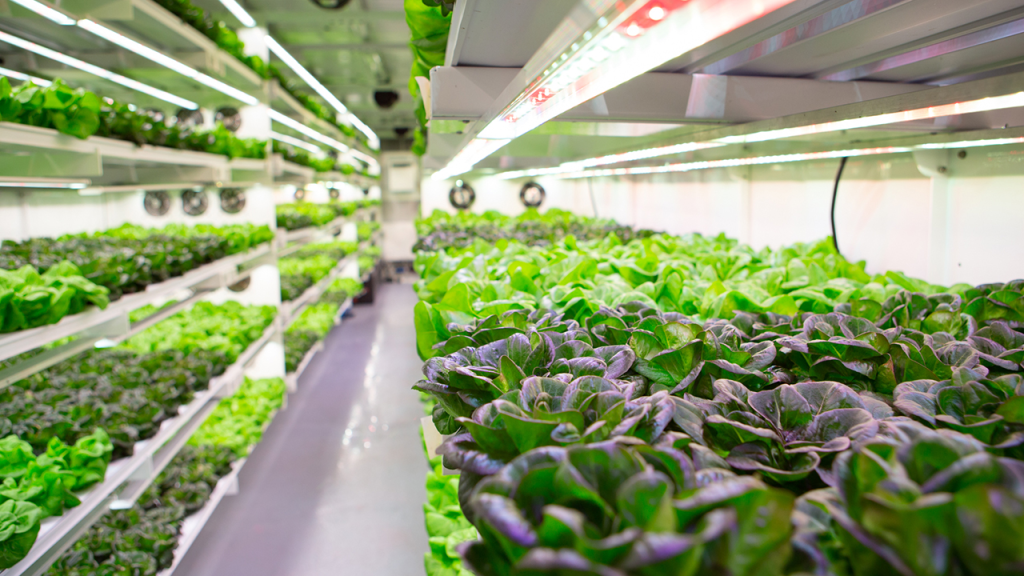
To create a successful growing environment, it’s important to understand how vertical farming works. This system uses controlled-environment agriculture (CEA) technology in an indoor environment. With this type of farming, you can regulate humidity, temperatures, and nutrient delivery.
How your vertical farm operates will depend on the type of vertical farming system you choose, such as aeroponics, hydroponics, or aquaponics. Basically, crops are grown in containers on top of planks or platforms that are stacked, and depending on the farming method, water is supplied directly to the roots. It also uses a closed-loop system.
Vertical farms are mostly grown indoors, so they’re cut off from outside conditions to reduce threats like pest infestations and climate issues.
What Are The Benefits of Indoor Farming?
The reason growers use vertical indoor farming methods is that they experience many benefits, such as the following:
- Land usage is up to 10 times more efficient per square meter
- The yield per square meter is also 10 times higher
- Your carbon footprint is lower compared to traditional farm methods
- You can use renewable energy, like solar panels, for LED grow lights
- Lowers your water usage by 90% – 95%
- Allows you to grow food year-round because crops aren’t exposed to outdoor threats
- Reduces land degradation and erosion as you’re using soilless growing environments
- Improves environmental impact because there is less chemical usage to grow crops
- Controlling the environment is easier when using automated systems for grow lights and irrigation
So if you want more food security and to lower your carbon footprint, then vertical farming is an excellent solution if you don’t have a lot of space to cultivate crops.
The Rise of Vertical Farming
Growers are starting to use vertical farming practices because it’s revolutionizing agriculture by addressing some of the most pressing challenges in food production. One of the biggest threats right now is climate change, which has the most significant impact on farmers. With vertical farming, growers don’t have to rely on specific seasons to cultivate crops.
Additionally, growers don’t have to worry about droughts as vertical farming uses less water. Food is typically grown closer to consumers, which reduces transportation costs and lowers carbon emissions. Overall, vertical farming is part of the sustainable agriculture movement and improves the food supply chain.
The Cost of Vertical Farming
The start-up cost for a vertical farm can vary depending on the size of your setup, the technology you use, and where you’re located. Divide your costs into two categories:
Setup Cost
Costs associated with your setup will include everything you’ll need for your system to work, such as building your indoor structure or greenhouse, irrigation systems, lighting, and climate control. This cost can be around $1,000 per square meter.
Operational Cost
Your operational costs will include the consumption of electricity and water, as well as the delivery of resources and equipment. Furthermore, you’ll need to factor in paying workers and monthly expenses. This could cost you around $32,600 each month, but this will depend on the size of your setup.
What to Consider Before Starting a Vertical Farm
Before you start your vertical farm, there are certain aspects you need to consider first, like what sort of crops can be more profitable and what consumers are really looking for. Here is a short guide to help you toward a sustainable future in farming.
What is Your Main Goal?
Do you want to start a smaller-scale farm for your community, or are you looking to create a larger farm so you can supply shops in your local area? Write down your main objectives or create a business plan so you can determine aspects such the type of business model you want and your return on investment.
Take a Look at Local Permits and Regulations
Since vertical farming produces food and herbal remedies, there will be permits and regulations you need to adhere to. These permits are in place to ensure the safety of your crops and that your vertical farm doesn’t pose a risk to the environment or the health of the community. If you want to start a vertical farm, these are the potential permits and regulations to research:
- Health and safety regulations
- Zoning and land use permits
- Occupational safety regulations
- Compliance with construction codes
- Energy regulations
To avoid fines and legal actions against your farming business, you must get the correct permits. These permits may also differ based on the state you reside in.
Consider Researching Supply and Demand
If you decide to write up a business plan, it will also help you determine whether you have a demand in your area. You can then determine the type of crops that are in demand, such as tomatoes, leafy greens, and fresh herbs. Research your target audience and include dietary preferences and consumer trends.
Choose the Type of Crops to Grow
After researching supply and demand, you can then choose the type of crops to grow that will be more profitable for your business. Vegetables are among the easiest crops to grow, and some of the most in-demand options include lettuce, spinach, and bell peppers. If there’s a gap in the market, consider niche crops like mushrooms, saffron, or ginseng. Garlic is also among the most profitable crops you can grow in 2026.
What You Need for a Vertical Farm in 2026
If you want successful vertical farming operations, then you’ll need the right equipment. In this next section, we discuss what you’ll need for year-round production.
Shelves and Racks
First, you’ll need proper structure and support to grow your crops. Shelves and racks need to be strong to support the weight of your crops as they grow. To create your shelves, you can use a variety of materials such as wood, plastic, or metal. Consider installing adjustable shelving so you can change the distance between your crops as they grow.
LED Grow Lights
The most important aspect of your indoor farm is photosynthesis, so you’ll need LED lights. These lights are designed as a substitute for natural light, so it’s important to choose the right type for your farm. You can choose incandescent or fluorescent light, but LEDs are more energy efficient and have the lowest heat output.
Additionally, LEDs allow you to switch between a variety of colors, such as blue or red, which also have their own benefits. For example, blue light helps with vegetative leaf growth. When you combine blue with red light, it can assist with flowering.
Nutrient Delivery
As mentioned before, there are a variety of ways you can grow crops vertically. Hydroponics is the easiest way to grow vertical farming crops, as you can provide nutrients directly to the roots. You must provide the precise balance of nutrients via a water-based solution.
There are plenty of online shops where you can buy these nutrient solutions for your crops. Furthermore, you can automate water and nutrient delivery so you can provide the right amount to your crops. You can use ebb and flow, or irrigation systems for successful crop production.
Humidity and Temperature Technology
Another important part of your indoor farming system is controlling the environment to optimize crop growth. You can install an environmental control system so you can adjust the temperature and humidity levels when growing vertical crops indoors. Your system can include aircons, heaters, fans, and even carbon dioxide regulators to control your growing environment.
Products to Keep Your Systems Clean
When growing in a hydroponic system, it’s crucial to keep your vertical setup clean to prevent problems like biofilm buildup in irrigation systems or green water in your containers. There are products like Clear Zona or Clear Flow that can assist you with keeping your vertical farm’s system from developing problems. Choose one or the other depending on what you need done.
Both Clear Zona and Clear Flow are eco-friendly, water-based concentrates and can be used during all plant production cycles. Use Clear Flow to clean out irrigation systems and reservoirs if you’re experiencing build-ups of biofilm. If you’re experiencing problems with green water or plant debris, then use Clear Zona.
A Summary of Vertical Farming Maintenance
Maintaining your vertical farm can prevent issues like pest infestations, plant diseases, and dirty systems. Follow this short maintenance guide to keep your crops healthy and thriving:
- Monitor Plant Growth: Create a schedule or a crop monitoring system so you can check the health of your yield every week. Your crops should have strong structures with vibrant leaves.
- Inspect Crops for Plant Disease and Pests: Look for any potential problems like wilting leaves or issues like fungus gnat infestations. Make sure that the roots of your crops aren’t fully submerged in the water and that they’re just touching the solution. Remove any diseased crops to prevent issues from spreading throughout your system.
- Check pH Levels: Maintain a pH level in your hydroponic vertical system between 5.5 and 6.5. If your pH levels are too acidic or alkaline, it can cause nutrient lockout, which in turn can damage crops.
- Humidity and Temperatures: You should have a humidity level of 50% to 70% in your vertical hydroponic system. Temperatures are typically around 59-86°F, but this will depend on the crops you’re growing. Check humidity and temperatures every day to ensure they’re at the right levels.
- Clean out your systems: Clean the hydroponic system using either Clear Zona or Clear Flow. The use of these products can lower input and labor costs, as you don’t have to use multiple cleaners for your vertical system. Clear Flow is the ideal solution for biofilm and mineral blockages in irrigation systems. If you have problems with mineral deposits or sludge, Clear Zona is what you need to prevent problems like root rot.
Vertical Agriculture Challenges and Solutions
Although urban vertical farming is revolutionizing food demand, there are some challenges you might face as a grower. One of the biggest issues is the increased use of energy consumption. These types of farming systems require air conditioning, artificial lights, and fans to run, which can be costly. However, if you include sustainable solutions like solar panels or wind turbines, you can solve this problem.
Another issue is the lack of expertise in the industry. Every aspect of a vertical system must be meticulously installed and maintained. One mistake could cost you your yield and, in turn, your profit. It’s important to only rely on professionals who are educated in this type of agriculture to avoid costly mishaps.
Final Thoughts – The Right Tools and Products for a Successful Vertical Farm in 2026
When setting up your vertical system, consider the tips in this guide to get you started. Rely on professionals to assist with the building aspect of your vertical indoor farm for proper irrigation, humidity control, and lighting. Furthermore, it’s important to use the right products to keep your systems clean.
Products like Clear Zona are ideal for clearing out plant matter to keep your hydroponics free from sludge or the development of green water. Simply follow the directions on the packaging and apply the recommended dosage to tanks and reservoirs.
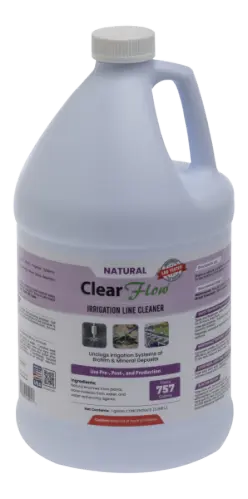
If you want to improve irrigation flow and remove biofilm buildup, then use products like Clear Flow. You can add 5mL of Clear Flow per gallon of top-off water that is added to prevent irrigation blockages. With the right products and tools, you can create a successful vertical farm in 2026 and beyond.