
Share this post
Bringing nature indoors has become central to biophilic design, and indoor green walls are now a familiar feature in offices, retail spaces, and hospitality environments. They provide a stronger connection to natural elements and support calmer, healthier interiors. However, living wall maintenance is an ongoing responsibility, and interiorscape professionals know these installations need more than occasional watering.
Walls filled with plant life require attention to irrigation, air circulation, lighting, and long-term system health to stay vibrant. Understanding why indoor living walls behave the way they do makes it easier to care for them and manage the challenges that come with running a vertical growing system. Take a look at our living wall maintenance tips below to assist you.
(Featured image credit: https://drexel.edu/news/archive/2022/March/Drexel-Biowall-is-Back-and-Greener-Than-Ever)
What is a Living Wall?
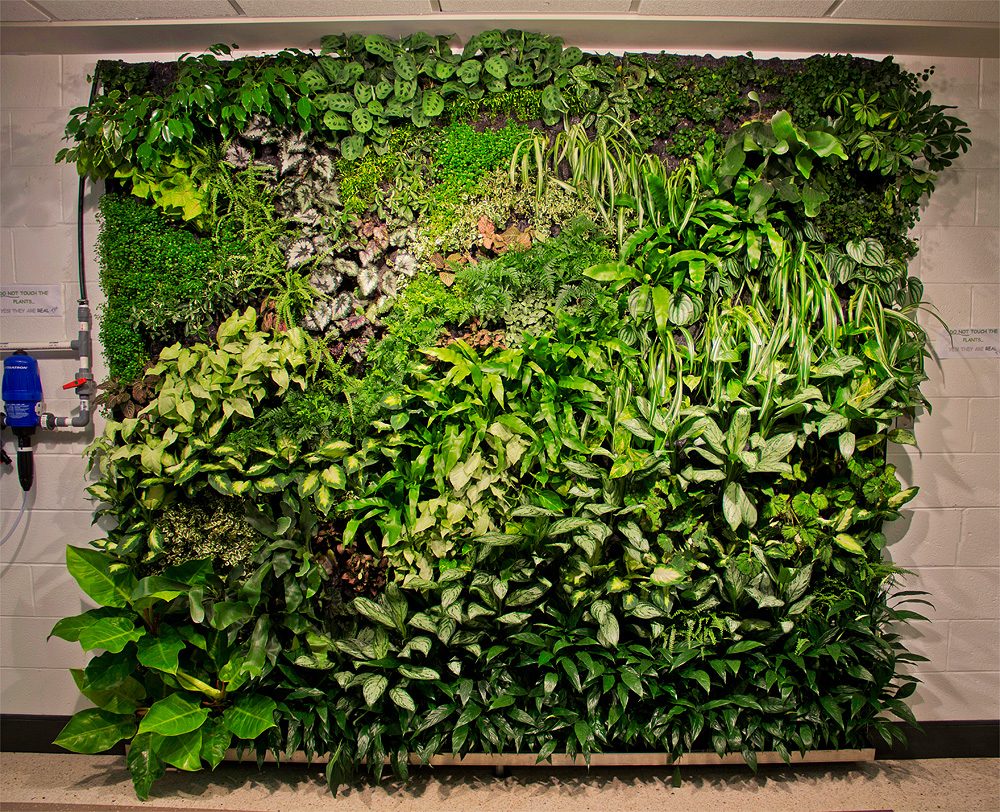
A green wall or living wall is a vertical growing system that allows you to grow foliage packed closely together. You can attach this wall system to the outside or inside of a building. These plants are held in shallow containers and have an integral irrigation system.
The largest green wall in the world is located in Khalifa Avenue, Qatar, and is about 7,000sqm. Scientifically, it’s said to mitigate urban heat islands and pollution.
A living wall is made up of a variety of plants that grow in shallow pots, like ferns or pothos. These plants can simply be green foliage or ones that flower during spring. They can also be installed indoors or outdoors, which provides buildings with a variety of benefits.
People who own large office buildings or even restaurants can grow a living wall using the right equipment, products, and methods, whether you’re growing it in an indoor or outdoor environment.
Living Wall Plant Setup
It’s important to note that living wall maintenance will differ based on the type of wall you choose to grow. Consider the following if you’re starting one from scratch.
Choose What You Want to Grow
Some people choose a living wall to add an eco-friendly aesthetic to their offices or homes. If you want to grow a green wall, then you must make sure that the plants you choose will look good year-round.
That’s why it’s important to choose the correct plant species. Consider evergreen vegetation that flowers during the spring for a pop of color. The best evergreens for a green wall are the following:
- Pothos
- Philodendron
- Ferns
- Peace Lily
- Spider Plant
- Chinese Evergreen (Aglaonema)
- English Ivy
Some companies install a variety of plants for you, and some come in removable planters so you can change up your design every season. You can also change the patterns of your flowers to give your living wall an interesting design. Live Wall is a company that does just that for interiorscape design. They can also help you choose the right plants based on the design of your wall and the climate you’re in.
Proper Irrigation is Key
To keep your foliage hydrated, you’ll need to integrate a proper irrigation system that can get to every plant on your wall. However, the type of irrigation will depend on the manufacturer of the wall. Some have a reservoir at the bottom that pumps the water up the wall, and some have lines at the top of the wall that drip down.
If you’re growing your living wall outdoors, you’ll need to ensure that the various areas are set to receive different levels of water. This is because the top of your system may need more hydration because it’s exposed to more sun and wind compared to the bottom. The same will apply to those growing green walls indoors.
Benefits of Living Walls
One of the reasons people choose living wall setups is that it has a variety of benefits, like improving mental health and alleviating stress if you’re working in closed offices. Here are other important benefits you can experience from growing a living wall, whether it’s an indoor or outdoor setup.
Indoor benefits:
- Improved air quality, as some foliage can purify the air. This is great for people who struggle with asthma or other respiratory problems.
- Some plants, like aloe vera or English ivy, can significantly lower indoor temperatures, which is ideal if you’re living in hotter climates.
- Another fascinating fact is that living walls can reduce noise. This works by absorbing, deflecting, and defusing sound waves.
- A living wall can also add color to your interior space. Green foliage goes well with facebrick walls. Plants that have color, like Anthurium, look stunning against grey backdrops.
Outdoor benefits:
- People sometimes grow living walls on their buildings to reduce dust and air pollution from entering their buildings. This is ideal for restaurants near factories or highways.
- This type of setup improves biodiversity. The more vegetation the wall has, the more invertebrates it attracts, especially if you’re growing a variety of plant species. It creates a thriving habitat for pollinators that contributes to a more eco-friendly environment.
- Growing a living wall outside of a building can help you lower energy costs by 23%. With your living wall, you can cover buildings, so the heat from the sun doesn’t increase indoor temperatures.
Your Living Wall Maintenance Guide
If you’re growing a living wall indoors, then there are specific maintenance methods you must adhere to so your vegetation can thrive. Follow these easy maintenance tips.
Prevent Problems with a Schedule
It’s important to create a schedule to properly maintain a living wall. Create a daily, weekly, and monthly checklist that will help with the following:
- Humidity and temperatures
- Airflow
- Nutrient delivery
- Scheduled watering for proper hydration
- Irrigation parts and functions
- Plant disease and pest control
- Living wall hygiene
You can also get professional assistance twice a month from those who specialize in living wall maintenance to prevent common problems.
Inspect Your Living Wall Regularly
Walk around your wall of growing foliage to monitor them for pest infestations or plant diseases. If you want to keep a stunning aesthetic in your building or home, check for dead or wilting leaves and prune them when necessary. Additionally, each species you’re growing may have specific requirements. Ensure you’re providing the right amount of nutrients for every type of plant.
Cleaning Your Systems
If your growing environment isn’t hygienic, you can experience a slew of problems like biofilm buildup in irrigation systems or green water. Your plants will be at risk of pest infestations, root rot, and wilting.
Cleaning includes:
- Cleaning out containers regularly
- Changing water
- Using eco-friendly products to clean reservoirs and drippers
- Trimming dead leaves
- Clearing out debris
Trimming For a Neat Appearance
Certain types of foliage, like climbing fig, may need to be trimmed regularly if you want a uniform look. When you start noticing that certain plants are sticking out more than others, trim them back using a sharp pair of garden shears. If you have a large green wall on a building, you may need professionals to assist you with pruning your plants.
What Are The Most Common Living Wall Problems?
One of the biggest problems people face when creating a living wall is irrigation design. Water distribution can become a problem if the irrigation isn’t properly set up or maintained.
Some of the living wall manufacturers only have space for 4″ potted plants, which means they would dry out quickly and die between maintenance visits if a blocked emitter prevented water from getting to the plants. What’s more, there are living wall designs that have issues with dead plant material that cause blockages in trays.
Other people might face problems with green water, which is a sign that your containers or trays need to be cleared out. Plant health can also dwindle due to pest infestations. Pests like fungus gnats, spider mites, and ants can get into your system and destroy your living wall.
How Clear Zona And Clear Flow Can Solve Your Problems
Maintenance can be easier if you use the right products. Ideally, you want to use eco-friendly products to clean out reservoirs, containers, and lines so it doesn’t affect plant health. You can use products like Clear Zona and Clear Flow, as they are designed to reduce irrigation issues.
Clear Zona is a two-part treatment that uses catalytic enzymes and beneficial microbes that break down biofilm, green water, and organic buildup in irrigation and root zones to restore flow and nutrient uptake. It also helps clear dead plant material to prevent blockages in trays.
Clear Flow is a non-microbial, eco-friendly solution that removes biofilm and mineral buildup. Clear Flow supports cleaner lines for consistent irrigation performance, especially in between maintenance checks.
So if you want your living wall to thrive, use these products to keep your systems clean, which in turn will prevent common problems like root rot, sludge, and mineral deposits.
Final Thoughts – Living Wall Maintenance and Upkeep Made Easy
Taking care of a living wall can be extremely challenging, especially if you’re struggling to keep your irrigation lines clear and your reservoir tanks clean. Clear Zona and Clear flow are both eco-friendly, water-based solutions that help reduce labor and input costs, as you don’t have to use multiple products to keep your living wall environment clean.
With Clear Zona, you can reduce the risk of green water and break down organic debris that causes problems with roots and nutrient delivery.
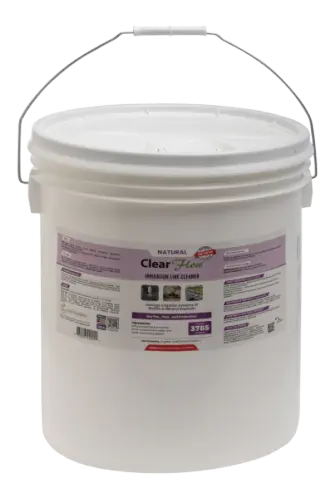
You can also use Clear Flow, which is formulated with enzymes from plants to clear biofilm from pumps, reservoirs, and drippers. What’s more, it can be used during all plant growth cycles.
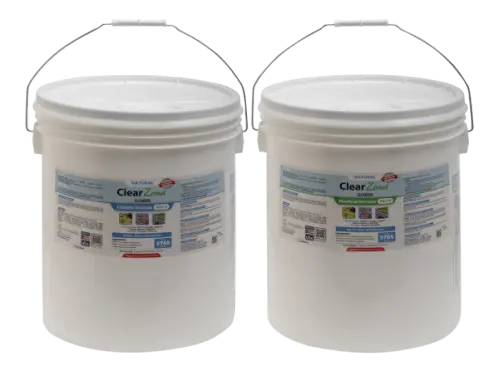
So if you’re looking for a less labor-intensive maintenance routine for your living wall, use Clear Zona or Clear Flow to keep your irrigation system clean and free from buildups that can affect the health of your foliage.