Share this post
Indoor farming offers growers greater control, consistency, and year-round production. But even in tightly managed environments, the irrigation system can become a critical food safety risk if not properly maintained. In indoor operations, water quality directly impacts crop health, compliance, and consumer safety making proactive water hygiene essential to protecting both yield and reputation.
So, how does water impact food safety in indoor agriculture, and what are the common contamination safety risks? You can learn about these topics and more in our guide below. We discuss the importance of food safety, the specific regulations to adhere to and common water contamination risks, and how to prevent these issues.
What is Food Safety?
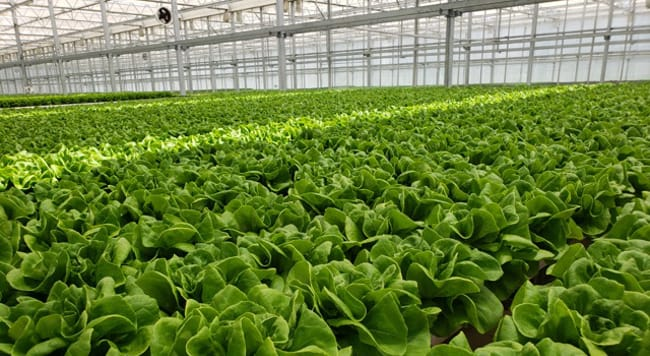
In horticulture, food safety or security is the practice growers take to ensure their fruits, vegetables, herbs, and medicinal crops are safe for human consumption. It’s also the measures taken to ensure yields are protected against contaminants that may affect cultivation. Throughout the growing stages, farmers focus on maintenance tasks such as:
- Hygiene
- Humidity levels
- Temperature
- pH levels
- Lighting
- Oxygen
- Water and nutrient solutions
If any one of these functions is compromised, it can increase food safety risks. For example, high humidity can increase the development of phytopathogenic organisms. But with the proper measures, food security can be achieved easily.
Is Indoor Farming Safe for Food Production?
One of the reasons indoor farming is growing in popularity is that it’s the safest way for growers to cultivate large crops. Since you’re growing food in a controlled environment, the crops won’t be contaminated by pollution or wildlife. Compared to traditional agriculture, indoor farming and food safety can be easily maintained.
If properly managed, indoor farms can produce high-quality, virus-free produce to meet the demands of people living in urban areas and even in underdeveloped countries. However, there are still risks associated with indoor hydroponics or vertical farming due to water contaminants, which is why hygiene is crucial.
Why is Indoor Agriculture Food Safety Important?
Keeping indoor farms clean and properly maintained can lower the risk of contaminants and foodborne diseases. It can also prevent plant diseases like root rot, powdery mildew, or mold. For hydroponic setups, irrigation maintenance is also vital, as it can cause green water or biofilms that can also spread diseases.
A lack of hygiene in hydroponic setups can create food safety hazards like bacteria and even viruses. In a study from Purdue University, the presence of the E. coli bacteria was found in hydroponics and aquaponics, which could spread to consumers. But these contaminants can be avoided with careful production and control of indoor farming environments.
Are There Specific Indoor Farming Regulations?
Indoor farming in the USA has specific indoor farming regulations, but they may differ according to the state you live in. You may also have different regulations based on federal and local rules. Growers need to adhere to these regulations, whether they have a small setup or a large-scale indoor vertical farm.
These regulations ensure the safety of all food production systems. Below you’ll find a list of the most common indoor farming regulatory organizations:
- State mandates: Each state will have its own regulatory mandates. For example, New York and California have specific food codes that go beyond federal regulations. Some states in the US require CEA-specific agricultural permits.
- Federal regulations: Organizations like the USDA provide standards for food safety, and they monitor food safety through FSMA and GAP. For growers who have indoor farms, they must monitor sanitation, water usage, and traceability to meet their standards.
- Local permits: There may be zoning codes that can restrict growers from mixed-use zones or commercial areas. Furthermore, there may be specific codes for ventilation or humidity controls for larger indoor farms. Local codes may be more extensive compared to federal or state regulations.
How Water Systems Impact Food Safety in Indoor Agriculture
The most common indoor farming method is hydroponics. It’s the technique of growing crops in a nutrient-rich water solution that provides nutrients directly to the roots of crops. Additionally, there are a variety of ways to provide water to crops, such as drip irrigation, NFT, or deep water culture. There are certain issues growers face with water systems.
A water system, like irrigation drips, can develop biofilm buildup. This buildup can prevent the flow of water, so crops won’t get the proper irrigation they need. Biofilm also consumes nutrients in hydroponics, which can kill off crops quickly. Additionally, there’s also the problem with algae in water systems, which causes root rot and depletes oxygen.
If you have substandard water quality, it can lead to stunted plant growth or plant diseases such as Botrytis cinerea, which can infect crops at any stage. Contaminated water can impact food safety by causing foodborne illnesses in consumers.
Common Contamination Risks in Recirculating Water Systems
Although growing crops in a hydroponic system can be easy to manage, there are contamination risks you can face if you fail to keep your water clean. Here are some issues you may experience with recirculation water systems:
- Green water: Algae, the cause of green water, is a green slimy substance that develops on the walls of irrigation tanks. This contaminant needs light, nutrients, and water to grow, and it can cause organic loading and clogging of pipes. Additionally, algae fight for nutrients and can suffocate crops, which causes significant yield loss.
- Biofilms: This is a layer of microbes that develops on the walls of pipes or around irrigation drippers. What’s more, it’s a major contributor to the pathogenesis of chronic infections in humans. As mentioned before, biofilm can clog irrigation lines, which prevents the flow of water to crops.
- Pathogens: One of the most common and destructive pathogens found in hydroponics is Pythium, which causes root rot. The pathogen mostly affects crops like tomatoes, cucumbers, lettuce, peppers, and spinach.
How to Properly Manage Water Quality for Indoor Farms
You can reduce the risk of water-borne diseases if you follow strict indoor farming protocols. Below you’ll find the different areas of your indoor farm you must check to improve the safety of your crops.
Check Water pH levels
Always measure the acidity and alkalinity of your hydroponic water by using digital pH monitors. If the pH levels are too low or high, your crops won’t be able to absorb nutrients, and they’ll be more susceptible to plant diseases. It’s recommended to maintain a pH level between 6 to 6.5.
Maintain Proper Water Temperatures
The temperature of your nutrient solution can also affect crop health and the development of diseases. If your nutrient solution is too warm, it can reduce oxygen solubility. On the other hand, root development may be stunted if your water is below 55 degrees Fahrenheit. Growers sometimes maintain temperatures using water chillers or insulating tanks.
Changing Water When Needed
Contaminants like dust and dirt can still get into your hydroponic system, which can cause the development of pathogens or fungal growth. That’s why you should always change the water every two to three weeks to maintain the hygiene of your system. This will help you maintain consistent quality in your farming system.
Keep Your Hydroponics Clean
Food safety risks in indoor farming can be caused by a lack of hygiene, especially with irrigation water. Food and agriculture organizations in the US are strict with water quality. According to the University of California, water must be free of harmful microorganisms, such as E. coli and Salmonella, to prevent foodborne illnesses.
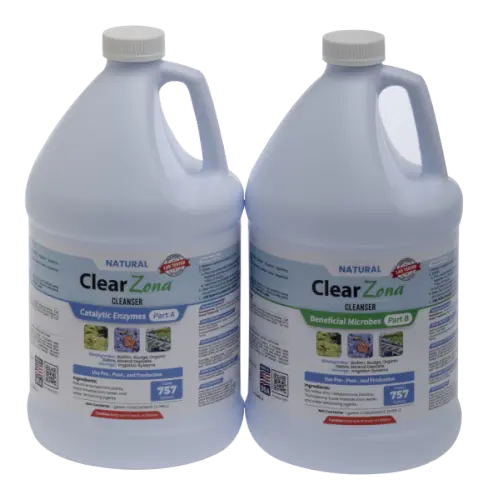
To adhere to safety considerations, cleaning your hydroponic system is non-negotiable. There are two products you can use, which are Clear Zona and Clear Flow. Both of these products are eco-friendly and have specific purposes. Additionally, they are both safe to use during production, which in turn reduces the time needed to clean indoor water systems.
Use Clear Zona to prevent green water from developing and to clear away mineral deposits and sludge that can affect crop health and food-borne diseases.
If you have problems with biofilm buildup, use Clear Flow to remove these layers and improve water flow in irrigation systems. This will ensure your crops are getting proper hydration and prevent diseases associated with biofilm.
Final Thoughts – Keep Your Water Systems Clean With Eco-Friendly Products
Food safety in indoor hydroponics starts with water quality. When irrigation water carries biofilm, mineral buildup, or organic debris, it can harbor harmful organisms that compromise root health and increase the risk of contamination. Keeping water systems clean is essential for protecting both plant health and consumer safety.
Clear Flow supports food safety by removing buildup. It is eco-friendly, chemical-free, and non-caustic. Its plant-derived enzymes and trace minerals break down biofilm that can otherwise contribute to recurring blockages.
Clear Zona also strengthens water quality by degrading sludge, mineral deposits, plant debris, and green water within hydroponic systems. Its water-based concentrate, formulated with catalytic enzymes and aerobic microbes, works throughout pre-production, production, and post-production stages.
These two products maintain water without chlorine, acids, or hydrogen peroxide to reduce contamination risks and support safer, more consistent food production indoors.
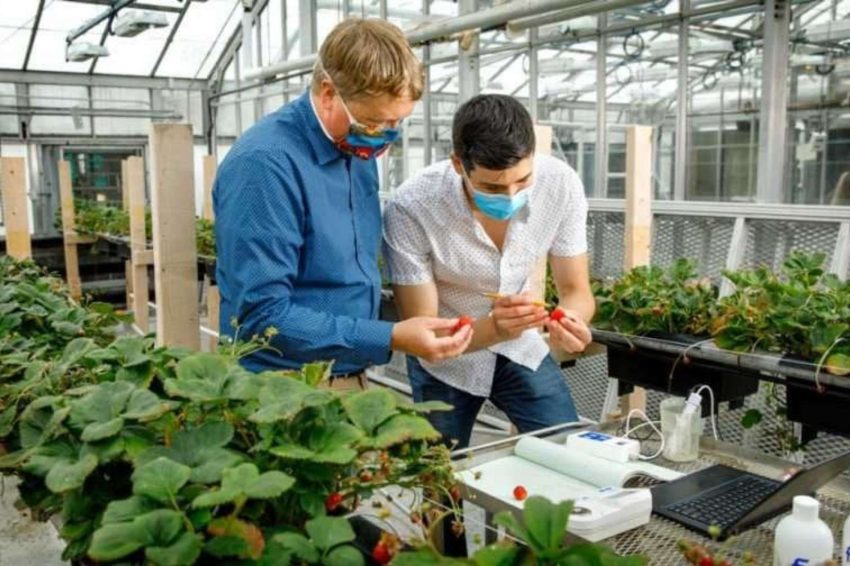
(Featured image credit: https://www.agritecture.com/blog/2022/1/31/9-universities-creating-the-agricultural-workforce-of-tomorrow)